MK Party faces battle for outright majority in eThekwini
· Citizen
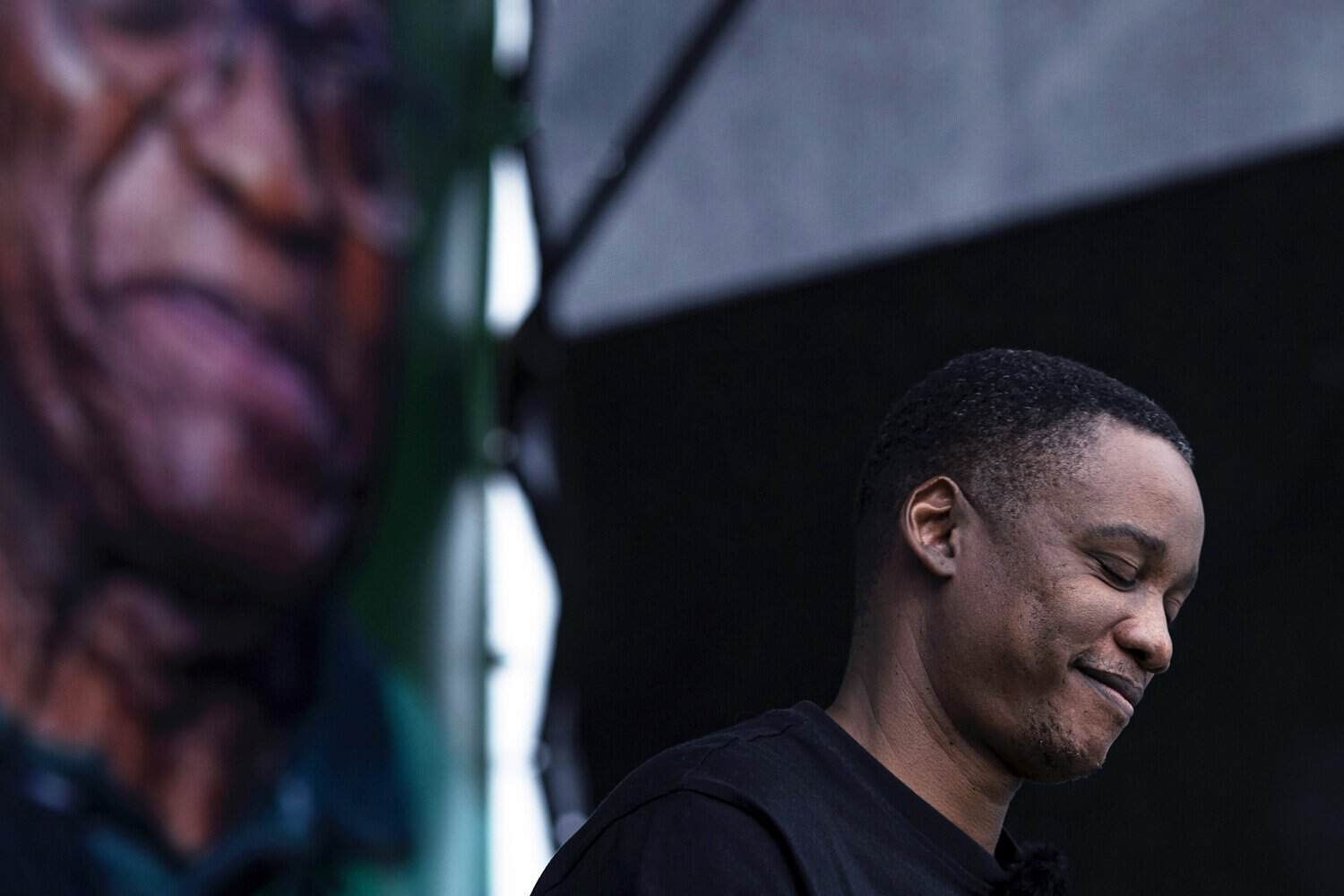
Recent expert-backed studies suggest the ANC could lose eThekwini metro to Jacob Zuma’s uMkhonto weSizwe (MK) party.
But doubts have emerged about whether the relatively new kid on the block can secure an outright majority, given its shaky election machinery and lingering internal disputes.
Visit h-doctor.club for more information.
MK may outdo ANC in eThekwini
An Ipsos survey last month was the first to give MK a substantial lead in eThekwini, projecting 55%.
But analysts have cautioned against taking the figure at face value.
While agreeing MK is poised to outdo the ANC, they say the party is unlikely to surpass 50% and govern alone after the 4 November local government elections.
Durban-based election dynamics analyst Michael Atkins, drawing on the 2024 outcomes and ANC’s declining performance, gives the ANC little chance of winning wards in eThekwini.
“This is not a prediction, but there is a real possibility the ANC will not win any wards in eThekwini. Most of the wards they hold now will go to MK,” said Atkins.
His modelling, based on 2024 results and translated into the 2026 ward map, suggests MK has absorbed most of the ANC vote in KwaZulu-Natal (KZN), along with much of the EFF’s support, reaching 47% in the province.
Analysts project MK support at 40% to 47%
Atkins dismissed both Ipsos’ 55% and the Social Research Foundation’s 33% estimates for MK in eThekwini, saying by-election results since 2024 have been mixed.
“MK will tend to dominate in a lot of places, just as the ANC did, but overall PR results are likely not to be as good,” he said.
His projections showed MK potentially gaining control of eight councils outright and becoming the largest party in another 18, while the ANC could slump from 13 councils to two.
Hung councils could rise to 29 out of 44, underscoring the volatility of KZN’s political landscape.
Dirk Kotzé of Unisa echoed the caution about too much optimism around MK.
While acknowledging Zuma’s influence in KZN, he doubted MK would secure an absolute majority in eThekwini.
Weak election management structures
He pointed to MK’s weak election management structures and warned of a 2024 provincial repeat, where MK won 45% of the votes, but was locked out of power by an ANC, DA, Inkatha Freedom Party, National Freedom Party coalition.
“It’s not guaranteed MK will automatically become the governing party in eThekwini. It could become the main party in a coalition, depending on negotiations,” said Kotzé.
He placed MK’s likely support between 40% and 45%, largely drawn from ANC and EFF voters.
Kotze added MK’s popularity remains inseparable from Zuma himself.
“It is the pull factor of Jacob Zuma because MK is 99% Zuma. At the same time, MK is 99% Zulu,” said Kotzé.
The party’s formation, he added, was rooted in the humiliation felt by Zuma and his supporters after his jailing under Ramaphosa’s ANC. For many in the province, MK represents both resistance and reclamation.
Party formation rooted in Zuma’s humiliation
Zuma’s rhetoric of radical economic transformation, sidelined in the ANC, found a new home in MK, which the former president intended to use as a vehicle to recapture the ANC’s lost values and, he claimed, himself returning as its leader.
Political analyst Lesiba Teffo reinforced the point, saying identity politics remain a powerful force in SA and Africa as a whole.
“This problem is not unique to MK, but it’s an African phenomenon where leaders are voted for based on who they are or their ethnic background,” said Teffo.
He added MK’s rise is not surprising given Zuma’s role in dismantling ANC dominance in the 2024 election and wresting KZN from the party.
“That speaks to the appeal of the man within and outside the province,” said Teffo.
The ANC’s envisaged collapse in its traditional eThekwini bastion and MK’s surge powered by Zuma’s personal magnetism renders the metro one of the poll battlegrounds.