Manipur’s GI-Tagged Black And White Scented Rice Featured In Korean Kimbap Demo At Delhi Rice Conference; What Makes It Special
· Free Press Journal
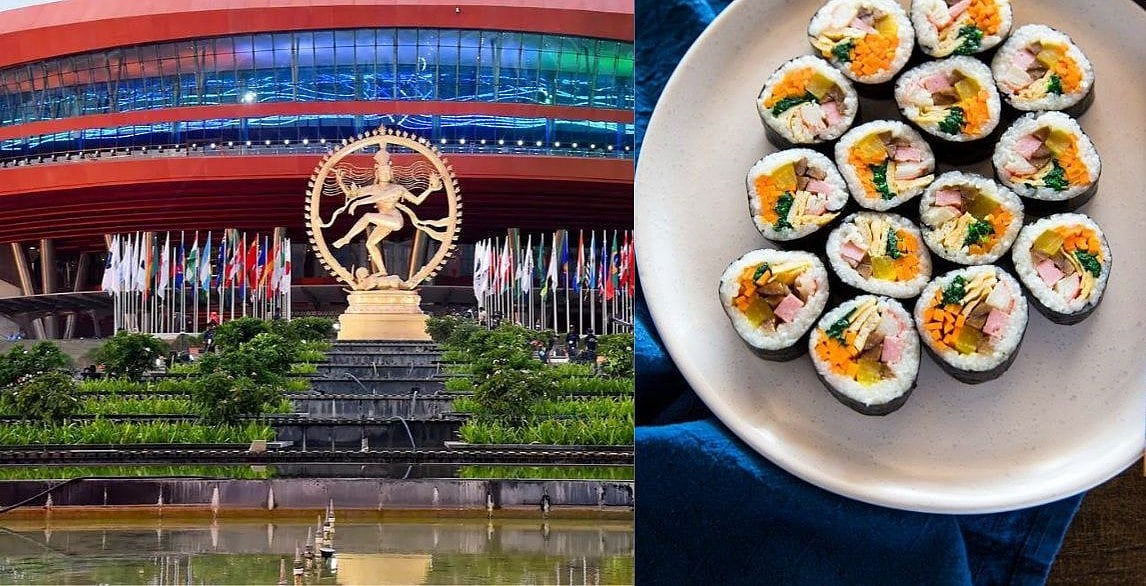
Manipur’s indigenous rice varieties, Chak-Hao black scented rice and Chak-Hao Angouba white scented rice, were showcased through a live demonstration of Korean-style kimbap preparation at the Bharat International Rice Conference (BIRC) 2026 in New Delhi. The demonstration highlighted the versatility of the region’s traditional rice varieties and their potential use in international cuisines.
Visit albergomalica.it for more information.
Both varieties have received the Geographical Indication (GI) tag, recognising their association with Manipur and their distinctive characteristics. The three-day conference is being held at Bharat Mandapam, Pragati Maidan, from October 23 to 25, 2026. It is organised by the Indian Rice Exporters Federation (IREF) with the aim of bringing together stakeholders from across the rice value chain to discuss trade, innovations and opportunities in national and international markets.
Moving rice to the world? Meet Hind Logistics & Cargo.
— Bharat International Rice Conference (@BIRC2026) October 21, 2026
Our Gold Sponsor invites exporters and buyers to Stalls F4a & F4b to connect, collaborate and grow at BIRC 2026.
Hall 5, Stalls F4a & F4b · Bharat Mandapam, New Delhi 23, 24 & 25 October 2026
[Hind Logistics and… pic.twitter.com/a60zfN7ws4
Manipur's black rice gets Korean twist
Manipur's GI-tagged Chak-Hao black scented rice and Chak-Hao Angouba white scented rice were showcased through a live demonstration of Korean-style kimbap preparation at the ongoing Bharat International Rice Conference (BIRC) 2026. The conference, which is being held at Bharat Mandapam, features buyers from 153 countries, with over 32,467 registered participants. The event also features the participation of the Department of Agriculture, Government of Manipur, led by Director of Agriculture Peter Salam, along with entrepreneurs and Farmer Producer Organisations (FPOs) from the state.
Manipur’s GI-tagged Chak-Hao black rice gets a Korean twist at Bharat International Rice Conference 2026 in Delhi! A fusion of indigenous heritage, innovation and global opportunities.#Manipur #ChakHao
— H_Haokip (@HaokipHamam) October 24, 2026
Read: https://t.co/t1Wykb6BKk pic.twitter.com/p9RBdxoKvg
Chef prepares Korean-style kimbap
During the demonstration of a dish prepared from rice, a chef prepared Korean-style kimbaps using both varieties of Manipur’s scented rice. Their naturally sticky texture makes them suitable for dishes such as kimbaps and Japanese sushi rolls, which offer scope for their use beyond traditional preparations. The demonstration attracted visitors who were curious to see how indigenous rice varieties from Manipur could be adapted to contemporary Asian cuisine. Kimbap, or Gimbap, is a Korean dish made up of seasoned rice and fillings in dried seaweed.
What is Chak-Hao black rice?
Chak-Hao, also known as black scented rice, is a traditional rice variety cultivated in Manipur. It is known for its distinctive dark purple-to-black colour, characteristic aroma and rich cultural significance in the state.
The rice gets its colour from anthocyanins, natural pigments that also occur in foods such as blueberries and purple sweet potatoes. These compounds are known for their antioxidant properties.
Chak-Hao is traditionally used to prepare festive delicacies and desserts, including the popular Chak-Hao kheer. Its distinctive colour, fragrance and flavour make it stand out from conventional rice varieties.
Loktak Day: Manipur Makes Annual Celebration A State Festival; Here's What To KnowWhat is Chak-Hao Angouba white rice?
Chak-Hao Angouba is the white scented rice variety from Manipur. Unlike its black counterpart, it has a lighter appearance while retaining its characteristic fragrance.
The variety represents the diversity of Manipur's indigenous rice heritage. Its aroma and culinary versatility make it suitable for different preparations, depending on the cooking method and recipe.