City of Tshwane confirms Pretoria CBD tap water is safe as Bronkhorstspruit probe continues
· Citizen
The City of Tshwane has declared tap water in Pretoria’s central business district (CBD) safe for normal use, bringing an end to the precautionary boil-water advisory imposed after contamination was detected in a separate water supply source.
Tshwane Mayor Nasiphi Moya confirmed on Saturday, 24 October 2026, that residents in the CBD and surrounding suburbs no longer needed to boil their tap water before drinking or using it.
Visit somethingsdifferent.biz for more information.
The announcement comes as the municipality continues investigating the gastroenteritis outbreak in Bronkhorstspruit and works to address the separate contamination incident involving groundwater from the Fountains springs.
City of Tshwane clears Pretoria CBD water supply
The decision to lift the advisory followed water quality assessments and laboratory tests conducted at the Findlay Reservoir.
Microbial contamination had previously been detected in groundwater from the Fountains springs, which contributes to the reservoir alongside water supplied by Rand Water.
According to Moya, the latest microbiological tests found no detectable E. coli or total coliform bacteria at the Findlay Reservoir.
The results confirmed that the water complied with the applicable quality standards.
“Residents may therefore resume normal use of their tap water without boiling it,” she said in the statement on Saturday.
City of Tshwane confirms Pretoria CBD water is safe to drink. @CityTshwane pic.twitter.com/WVPapFGKGM
— Dr Nasiphi Moya (@nasiphim) October 24, 2026
While the municipality addressed the contamination concerns, Pretoria CBD and neighbouring suburbs received water from the Salvokop Reservoir as technical teams undertook cleaning operations at the Findlay Reservoir.
The teams also carried out chlorine shock treatment on the affected distribution network before conducting further tests to establish whether the water was safe.
Moya explained that the boil-water advisory remained in force despite the alternative supply being safe, as there was still a possibility that contaminated water remained in parts of the distribution system.
“The latest satisfactory results now allow these precautions to be lifted,” the mayor said.
Sewer repairs continue in Groenkloof
This, however, does not mean all work related to the Fountains springs contamination has been completed.
Moya indicated the city was still addressing the damaged sewer pipe in Groenkloof, which resulted in the temporary contamination of groundwater from the springs.
She stressed that the incident is not linked to the Bronkhorstspruit gastroenteritis outbreak.
“The city will repair the sewer pipe and rehabilitate the affected river section.
“Once groundwater testing confirms that the contamination has been eliminated, the pipeline to Findlay Reservoir will be flushed before the groundwater supply is restored.”
The mayor also called on residents to remain mindful of their water consumption and use the resource responsibly.
Investigation examines Bronkhorstspruit outbreak
Separately, an independent investigation into the water crisis in Bronkhorstspruit and surrounding areas remains under way following the gastroenteritis outbreak.
The investigation will seek to establish what led to the incident, whether negligence played a role and why warnings were not communicated to residents timeously.
Moya, who has received heavy criticism over the saga, said the city would implement appropriate corrective measures if the investigation identified any failures.
The plant manager at the Bronkhorstspruit Water Treatment Works has already been suspended while the investigation proceeds.
Tshwane defends safety of municipal tanker water
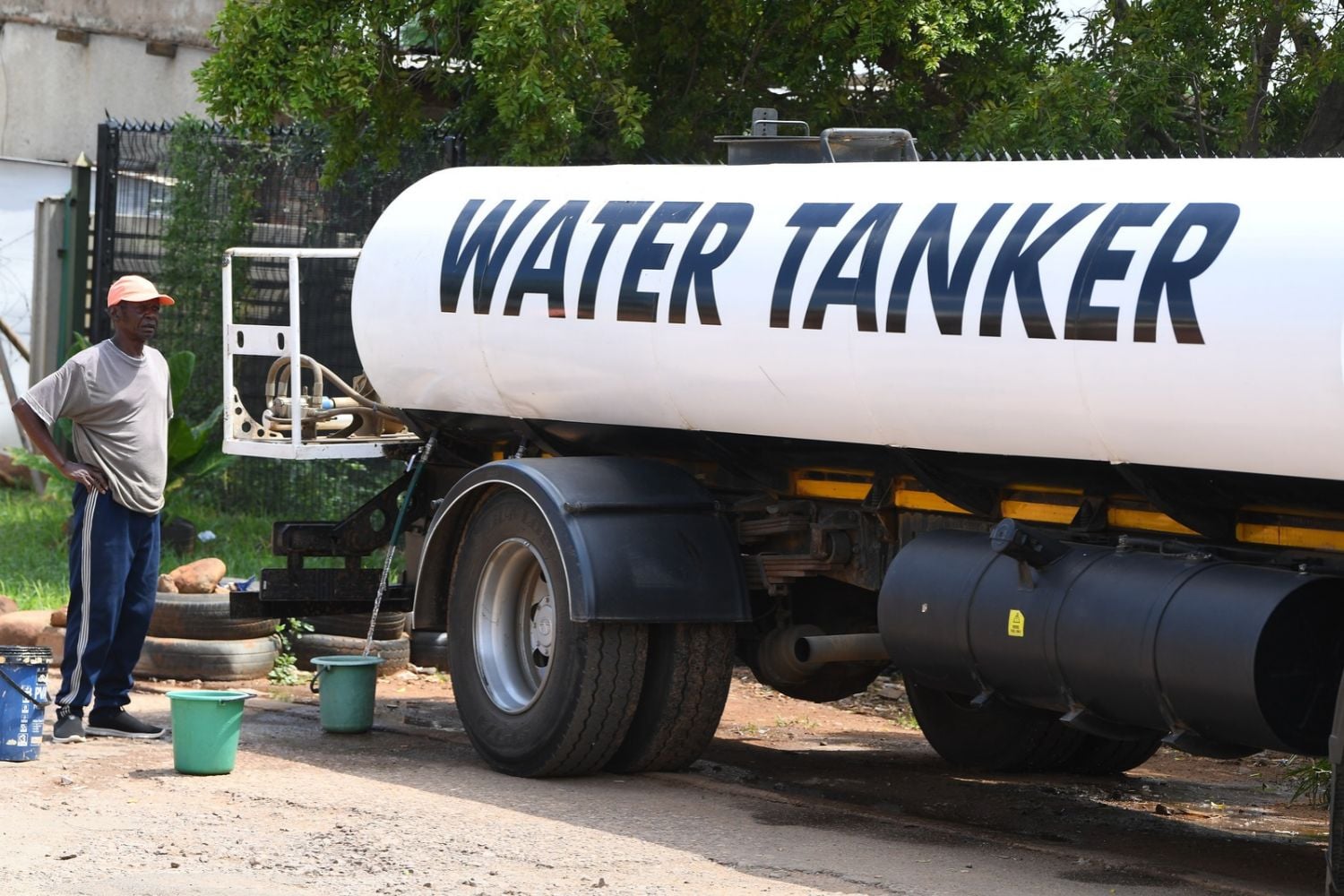
The municipality has also addressed concerns about water distributed to communities through municipal tankers.
According to Tshwane MMC for Human Settlements Aaron Maluleke, the tanker supply was sourced independently of the affected Bronkhorstspruit water system and remained subject to ongoing quality-control procedures.
“These tankers draw their water from the CuIlinan Reservoir, independently of the affected Bronkhorstspruit water supply system.
“There is no indication that the water supplied through these tankers is contaminated.
“The water supplied through these tankers is safe for human consumption, and residents do not have to worry, as there is no indication that the water supplied through these tankers is contaminated,” the Tshwane official said on Saturday.
Maluleke confirmed tanker deliveries to the affected area will continue on Mondays, Wednesdays, Fridays and Saturdays.
City assures residents of continued water quality monitoring of Region 7 tankers. pic.twitter.com/EWXMGt9enK
— City of Tshwane (@CityTshwane) October 24, 2026
Additional samples collected for testing
Maluleke said further water samples had been taken from municipal tankers serving informal settlements and farms throughout Tshwane’s Region 7.
The samples will undergo laboratory testing as part of the municipality’s ongoing efforts to monitor water quality and safeguard public health.
“The additional testing forms part of the City’s continued vigilance and commitment to taking every necessary precaution to protect residents.
“It is not being undertaken in response to any identified contamination of the tanker supply.”