‘This country will burn’: ANCYL warning over B-BBEE
· Citizen
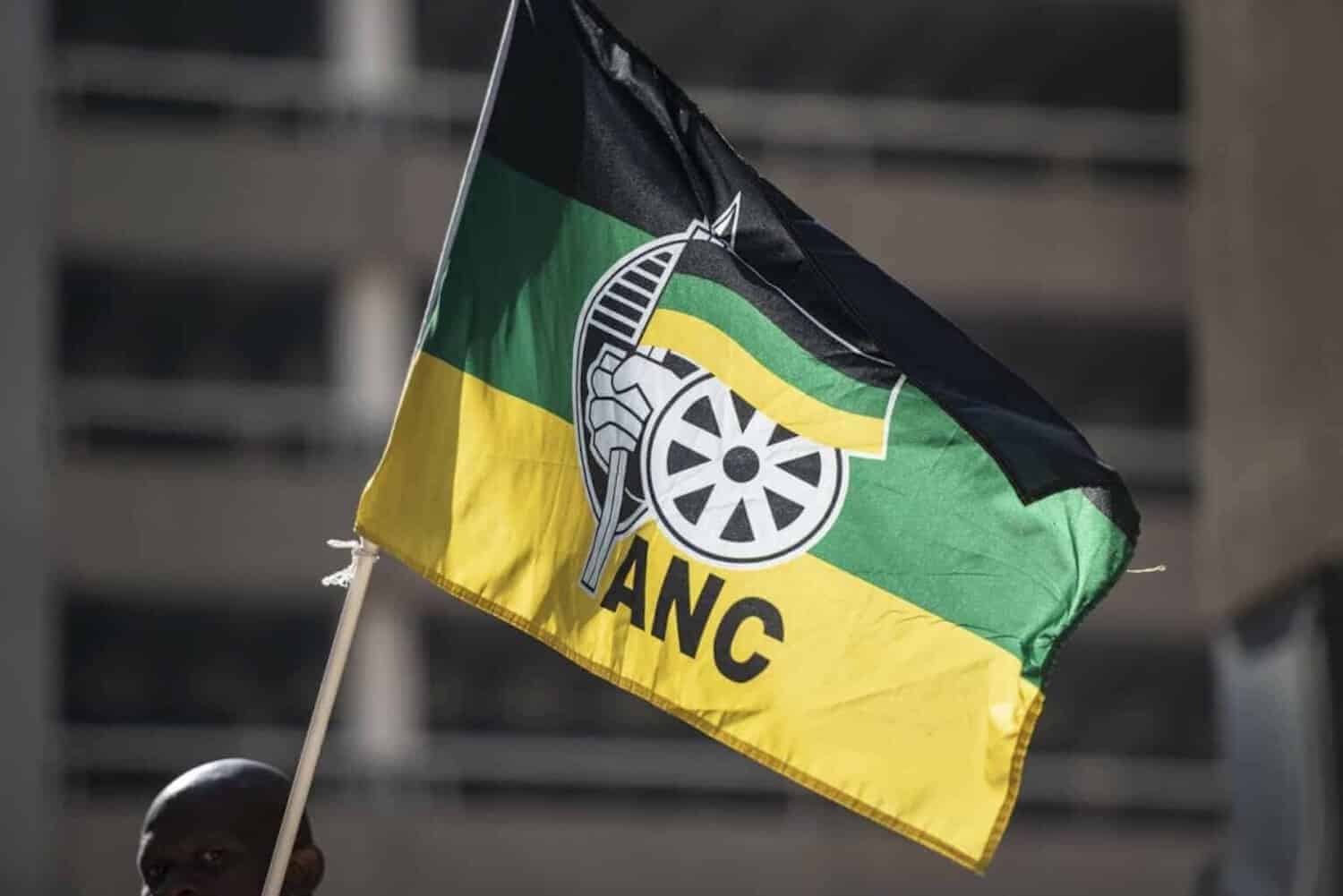
The African National Congress Youth League (ANCYL) says South Africa will burn if it abandons transformation laws such as broad-based black economic empowerment (B-BBEE).
Visit michezonews.co.za for more information.
In a statement on Monday, the organisation said transformation laws in the country are under attack after two constitutional court rulings.
“The African National Congress Youth League (ANCYL) condemns the escalating war on the upliftment of black people. The setting aside of the Legal Sector Code by the Gauteng High Court in Pretoria, the invalidation of the Public Procurement Act by the Constitutional Court and attempts to weaken B-BBEE in public procurement expose a determined effort to preserve an economic order that continues to marginalise the black majority, particularly Africans, and to keep South Africa’s wealth in white hands,” said the league’s Tsakani Shiviti.
She described the court rulings as a “counter-revolutionary offensive” to protect economic power inherited from apartheid.
“The Legal Sector Code sought to open the legal profession to the black majority, with 50% black ownership of large firms within five years, including 25% black women, and more work directed to black-owned firms. Deneys, Bowmans, Webber Wentzel and Werksmans, all majority white-owned and white-led, joined Solidarity to block it.
“They won on a technicality. The court did not rule on the merits of the code and acknowledged that it was developed to advance the constitutional imperative of transformation.
“The judgment faults the minister’s process, not transformation. The Public Procurement Act sought to use the state’s buying power to uplift black-owned enterprises, through set-asides, prequalification criteria and subcontracting requirements. Solidarity, the Western Cape government and the City of Cape Town challenged Minister Enoch Godongwana’s Act, and the Constitutional Court struck it down on 17 September 2026 because Parliament failed to facilitate public participation,” said Shiviti.
Economic freedom
Shiviti said the struggle for liberation was not fought to give Africans the vote while ownership and wealth remain in the hands of a few.
“The colour of the law has changed, but the concentration of economic power remains largely intact. Political freedom without economic emancipation is incomplete liberation. Millions of young people face unemployment and poverty, and they will not wait indefinitely. Economic exclusion is a threat to peace.
“A country cannot keep the majority poor and excluded while a few hold the wealth and expect stability to last. The ANCYL sounds this as a warning. Those who obstruct transformation carry the responsibility for what follows.
“If the black majority continues to be denied economic justice, this country will burn,” she said.
ANCYL demands
The ANCYL has made the following demands to its mother body, the ANC, and government.
“Defend transformation publicly and without backing down; re-issue a lawful Legal Sector Code within 90 days; keep B-BBEE preferences and set-asides in any new procurement law; enforce employment equity and B-BBEE across all sectors; and refuse corporate pressure to water down black economic empowerment.”