F1’s global claim exposed: Africa’s 34‑year absence is the sport’s biggest blind spot
· Citizen
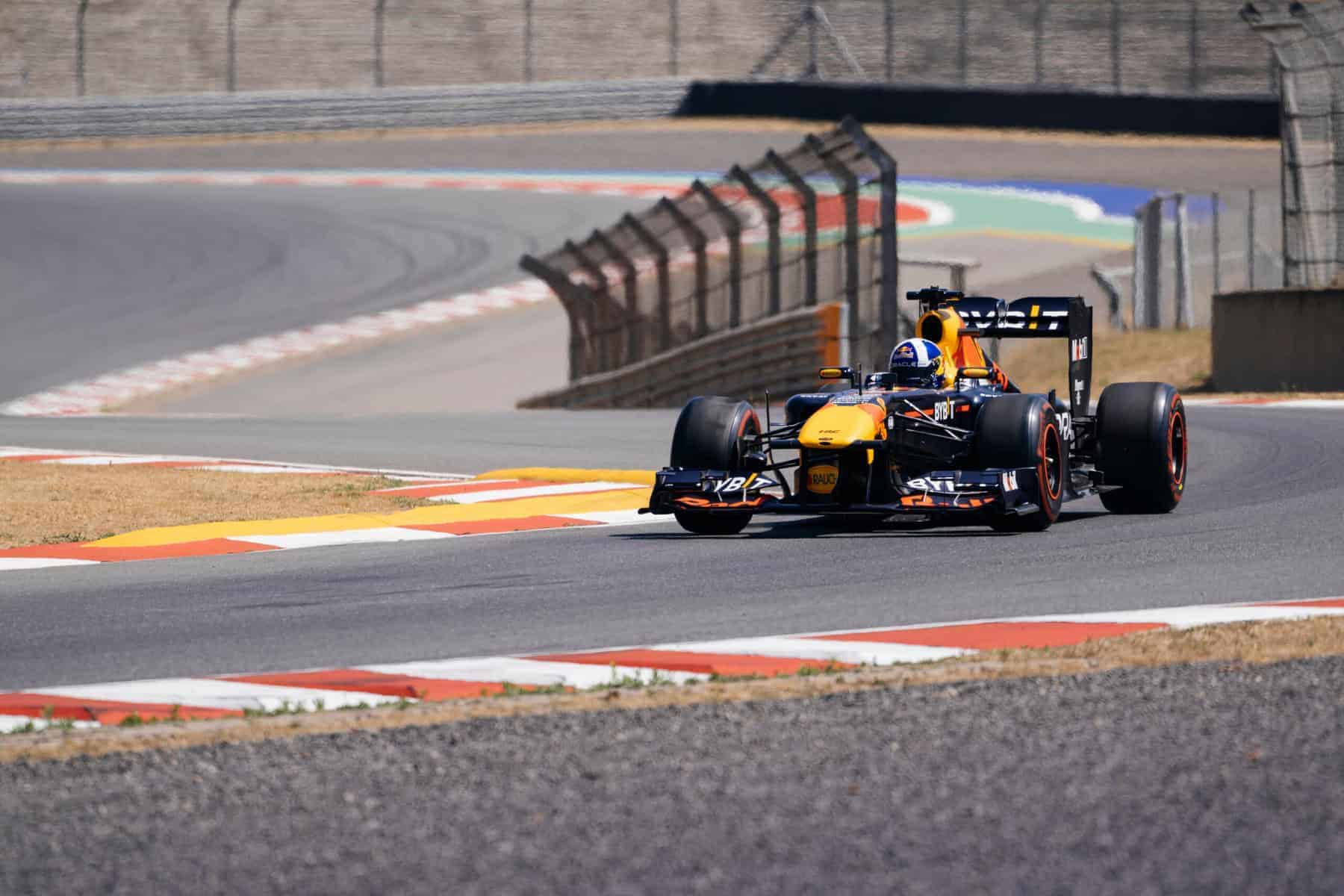
Formula 1’s claim to be a global championship rings hollow while Africa – a continent of 54 nations, 1.4 billion people, and untapped motorsport potential – remains absent from its calendar.
This is the view of Wesleigh Orr, founder of WORR Motorsport, who says the sport’s neglect of Africa is no longer just a sporting omission but a development gap, a commercial blind spot and a question Formula 1 can no longer afford to avoid.
Visit palladian.co.za for more information.
Türkiye
With Türkiye now confirmed to return from 2027, Formula 1 has once again shown its willingness to build around markets with commercial appetite, political will and regional significance. Orr argues that Africa’s exclusion, after 34 years without a Grand Prix, undermines the sport’s global ambitions.
“Türkiye’s return is a welcome moment for the sport, and the five-year agreement shows the commercial appetite is there,” Orr said.
“But it is getting harder and harder to ignore Africa’s continued absence when you look at the sport’s global ambitions. That’s not just a sporting gap – it’s a missed commercial and development opportunity.”
F1 in Africa
Earlier this year, South African fans were left disappointed when it was confirmed that the country would not host a Grand Prix in 2027 after officials underestimated the requirements for staging an F1 race.
Sport, Arts and Culture Minister Gayton McKenzie has been vocal in his support. He recently announced that President Cyril Ramaphosa will join him at a Grand Prix later this year on a working visit to advance South Africa’s bid.
“Its purpose is to support South Africa’s ambition to bring Formula One back to the African continent for the first time since our country became a democracy,” McKenzie said.
South Africa
South Africa has already proven its ability to host global sporting events. The 2010 FIFA World Cup attracted more than 300 000 international tourists and generated R3.6 billion in direct spending, demonstrating the country’s capacity to draw crowds, handle the global spotlight and leave a lasting economic impact.
Orr insists the infrastructure is ready. “Kyalami carries deep Formula 1 history, sits in Gauteng’s economic hub, and has FIA‑approved plans to upgrade to the Grade 1 standard required to host,” he said.
Wealth
For Orr, however, the conversation cannot be limited to hosting rights. It must extend to how motorsport across the continent is structured, funded, and led.
“There is wealth in Africa. The issue is not whether the continent has capability or potential, because it absolutely does. The real question is whether enough investment and leadership are being directed toward long‑term motorsport development and youth opportunity,” he said.
F1
He stressed that F1 is not only about the race weekend itself. “A Grand Prix creates inspiration, jobs, technical education, engineering pathways, tourism, sponsorship growth and hope for an entire generation.
“If Africa wants to build future Formula 1 drivers, engineers, mechanics and industry leaders, then the whole system must be built deliberately and not left to chance.”
SA Grand Prix
F1 fever in South Africa hit the headlines when Sport, Arts and Culture Minister Gayton McKenzie met with Formula 1 CEO Stefano Domenicali at the Azerbaijan Grand Prix in September 2024.
At the time, McKenzie said South Africa was “one step closer to bringing F1 to the country”, while at the same event, he also had an extremely good meeting with President Mohammed Ben Sulayem of the FIA, where they discussed support for South Africa’s F1 bid.
Africa has not hosted a Formula 1 Grand Prix since 1993, when Kyalami last appeared on the championship calendar, and it remains the only inhabited continent still absent from the Formula 1 calendar today.